What Is My Zipcode? Find ZIP Codes in Any Radius
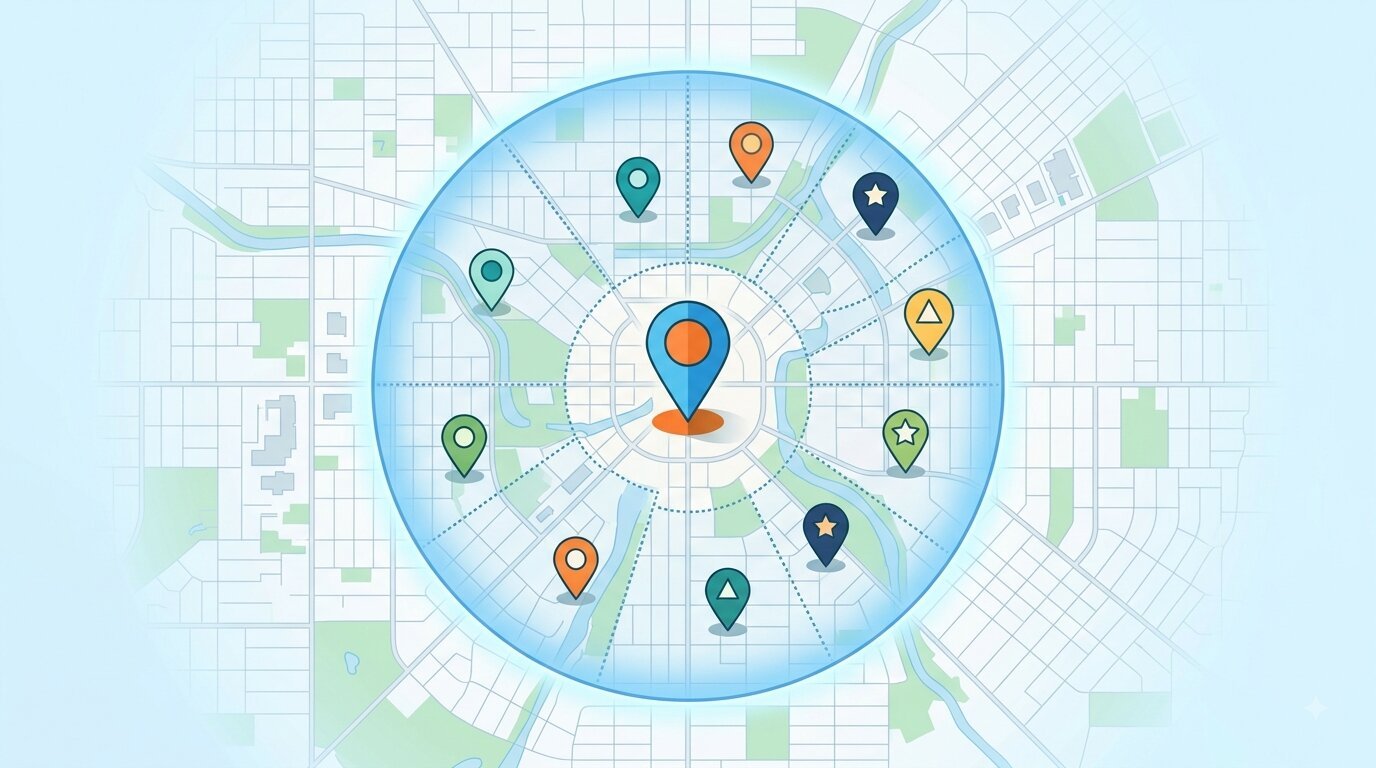
Figuring out your ZIP code sounds simple until you actually need it fast—filling out a shipping form, checking store delivery zones, or mapping every postal code around your neighborhood. Maybe you moved recently and the old code stuck in your head no longer applies. Or you're a small business owner trying to see which ZIP codes fall inside a delivery range. This guide answers the plain question first ("what is my zipcode?") and then goes deeper into something most people struggle with: pulling up all ZIP codes within a radius and using that data for real decisions. You'll learn how radius searches work, where they save time, and the mistakes that trip people up.
What Is My Zipcode Right Now?
Your ZIP code is the postal code tied to your current physical location—the five-digit number the postal service uses to route mail to your area. To find it instantly, a location-based lookup reads your device's approximate position and returns the matching code.
The fastest way is to use a tool that detects your location automatically. Open MyZipCode Online, allow location access, and your current ZIP appears without typing a single character. No guessing, no digging through old mail.
Prefer not to share location? You can also work backwards from a street address. If you know the address but not the code, an address to ZIP code lookup converts any full address into its postal code in seconds. Handy when you're helping someone else or checking a place you've never lived.
A quick note that catches people off guard: one town can hold several ZIP codes, and a single ZIP can spill across more than one town. Big cities split into dozens. So "my area's ZIP code" isn't always one tidy answer—it depends on the exact block you're standing on.
Why ZIP Codes Within a Radius Actually Matter
Knowing your own code is step one. The bigger, messier need shows up when you want everything nearby.
Say you run a bakery and offer free delivery within five miles. You don't want one ZIP—you want the full list of postal codes that sit inside that ring so you can set up your delivery rules cleanly. Or you're job hunting and only want listings within 20 miles of home. A radius search turns a vague "somewhere close" into a concrete set of codes you can filter by.
Here's where it gets practical:
- Delivery and service zones — Define exactly which areas you cover.
- Real estate searches — Look at homes across multiple codes near a target spot.
- Store locators — Match customers to the nearest branch.
- Market research — Understand the postal codes surrounding a location.
- Emergency and health services — Find nearby pharmacies open now across every code in range, not just your own block.
The single-ZIP view is too narrow for any of this. Radius thinking is what unlocks it.
How to Find Zip Codes Within a Radius
Finding all ZIP codes within a radius comes down to picking a center point, setting a distance, and letting a mapping tool return every postal code whose area falls inside that circle. Here's the workflow that works reliably.
- Set your center. This is usually your current ZIP or a specific address. Everything measures outward from here.
- Choose your radius. Enter a distance—5, 10, 25 miles, whatever fits. Smaller circles give tight local results; wider ones sweep in neighboring towns.
- Run the search. The tool draws the circle and lists each ZIP code that overlaps it.
- Export or copy. Grab the list for spreadsheets, delivery software, or ad targeting.
The visual part matters more than people expect. Seeing a ZIP radius map beats reading a raw list, because a map shows you where the codes cluster, where the gaps are, and whether your circle accidentally clips a neighborhood you didn't mean to include.
Radius vs. Straight-Line Distance
One thing to keep straight: most radius tools measure as the crow flies, not by driving distance. A ZIP that's four miles away in a straight line might be a fifteen-minute detour by road if a river or highway sits between you. For mail routing this rarely matters. For delivery promises, it can. Plan a little buffer if your radius touches tricky terrain.
Common Mistakes People Make
A few errors show up again and again when folks first try radius searches.
Setting the radius too tight is the classic one. You pick three miles, get four ZIP codes back, and assume that's your whole market—when bumping it to five would have doubled your reach. Test a couple of distances before committing.
Another slip: treating every ZIP inside the circle as fully covered. A radius might clip only the corner of a large rural ZIP, so most of that code's residents actually live outside your zone. The map view helps you spot these edge cases instead of trusting the list blindly.
People also forget that ZIP boundaries shift. The postal service adjusts them, adds new codes, and retires others. A list you saved two years ago may not match today's map. When accuracy counts—legal documents, tax zones, official filings—verify against a current source rather than an old spreadsheet.
Picking the Right Radius for Your Goal
There's no universal "correct" distance. It depends entirely on what you're doing.
| Use Case | Typical Radius | Why |
|---|---|---|
| Local food delivery | 3–7 miles | Keeps delivery times short |
| Retail store locator | 10–25 miles | People will drive for shopping |
| Real estate hunting | 15–30 miles | Commute tolerance varies |
| Regional service business | 25–50 miles | Wider coverage, less frequent visits |
| Broad market research | 50+ miles | Captures full metro trends |
Start with the smaller end of your range, check the results, then widen if the list feels thin. It's easier to expand than to wade through hundreds of codes you don't need.
Getting the Most Accurate Results
Accuracy starts with a precise center point. A full street address pins the circle far better than a city name, which can plant the center anywhere within town limits. If you're basing the search on your current spot, let the tool detect your location directly rather than typing a rough guess.
Double-check the unit too—miles versus kilometers trips up plenty of searches, especially near borders or when using tools built for other countries. A 10-mile circle and a 10-kilometer circle differ by a noticeable margin, and that gap grows as you scale up.
For anything you'll rely on repeatedly, save your results but re-run the search every few months. Boundaries drift, businesses open and close, and a fresh list keeps your delivery zones or targeting honest.
The Takeaway
Finding your own ZIP code takes seconds with a location-aware tool—but the real value shows up when you zoom out to a radius. Whether you're drawing delivery zones, scouting neighborhoods, or mapping every code around a spot, start with a precise center, pick a distance that fits the job, and lean on a map so you can see what the list can't tell you. Test a couple of radius sizes, watch for ZIPs that only partly fall inside your circle, and refresh your data now and then. Do that, and a simple postal code becomes a genuinely useful planning tool.
Frequently Asked Questions
What is my ZIP code if I just moved?
Your ZIP code updates to match your new address, not your old one. Use a location-detecting tool at your new place, or run an address lookup on the new address to confirm the current code before updating forms and subscriptions.
Can one address have more than one ZIP code?
Generally no—a single delivery point maps to one ZIP. But large buildings, campuses, and PO box facilities sometimes carry their own dedicated codes separate from the surrounding area.
How many ZIP codes are within a 10-mile radius?
It varies wildly by location. A dense city might pack 30 or more codes into a 10-mile circle, while a rural area could have just a handful. Run a radius search on your specific center to get the real count.
Is radius distance measured by road or straight line?
Most tools use straight-line (as-the-crow-flies) distance. Actual driving distance is usually longer, so add a buffer if you're promising delivery times or service coverage.
Why do my radius results keep changing?
ZIP boundaries aren't permanent. The postal service revises them, and tools update their data accordingly. Small shifts between searches are normal, especially near the edge of your circle.
Can I find ZIP codes within a radius without sharing my location?
Yes. Enter a street address or a known ZIP as your center point instead of using location detection. The radius search works the same way from a manually entered spot.